

News
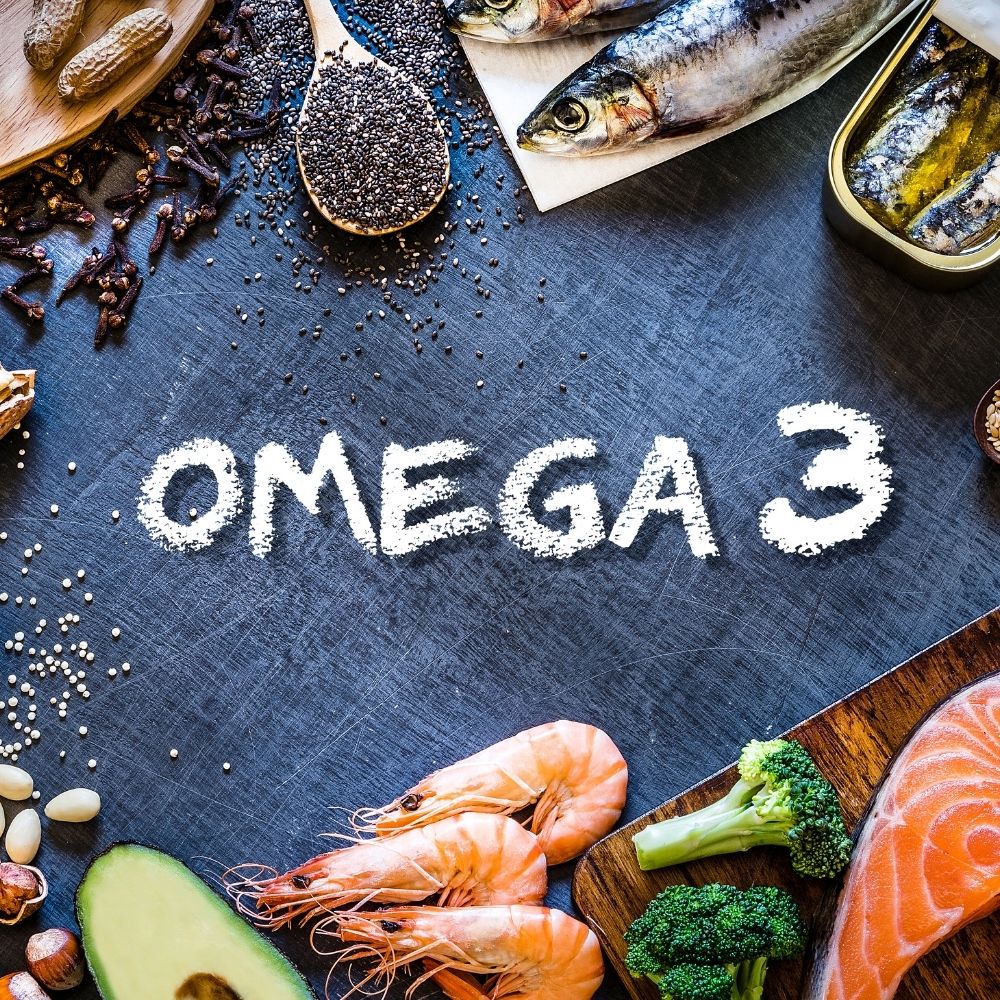

UK Kids and Omega-3: What the Research Says
Why we’re talking about thisOmega-3 fatty acids — especially EPA (Eicosapentaenoic Acid) and DHA (Docosahexaenoic Acid) — are big players in kids’ health. They help brains focus, eyes see clearly, and bodies stay in balance. The catch? Most UK kids simply aren’t eating enough oily fish — the best natural source of omega-3.Over the past decade, scientists and dietitians have dug into this issue. Here’s what the research really tells us. 2013 – The Reading ConnectionIn 2013, researchers in Oxfordshire ran the DOLAB Study with nearly 500 children aged 7–9 who had below average reading performance. They measured blood levels of omega-3 and found they were very low — far below what’s considered optimal.And here’s the striking bit: the children with the lowest DHA levels also had weaker reading scores, poorer memory and more behaviour difficulties. In short, omega-3 wasn’t just about diet — it connected directly to how kids were learning and behaving in class. 2017 – Dietitians weigh inBy 2017, the British Dietetic Association (BDA) published its own fact sheet on fish oils and children. Their review backed up what many parents already suspected: omega-3 is important for brain development, vision and behaviour.The BDA also highlighted the problem — most UK children were not meeting the official advice of one portion of oily fish per week. For families struggling to get kids to eat sardines or salmon, supplements were seen as a practical solution. 2020 – The numbers don’t lieThe UK Government’s National Diet and Nutrition Survey (NDNS), covering 2016–2019, confirmed just how short intake was:• Only about 12–13% of children aged 4–11 were considered “oily fish consumers.”• Teenagers (11–18 years) managed an average of less than 20 g per week — just a couple of forkfuls.Compare that to the official advice of 140 g per week, and you can see the gap is huge. 2021 – Fresh evidence, same storyA 2021 study from the University of Bristol, using data from the long-term ALSPAC “Children of the 90s” cohort, looked again at school-aged kids. Their dietary intake of DHA was still far below recommended levels.And just like in 2013, the children with the lowest DHA intakes scored lower on reading and memory tests. Nearly a decade later, the same story was playing out again. What all this tells usAcross different studies and different years, the message is clear:• UK kids are not getting enough omega-3 (EPA + DHA).• Low omega-3 levels are linked with learning, focus, memory and behaviour challenges.• Health authorities like EFSA and the BDA confirm that DHA contributes to normal brain and vision development in children.• Despite years of advice, most children are still falling well short of the “one portion of oily fish per week” guideline.That’s why supplements can be such a helpful safety net. They don’t replace a healthy diet, but they do help families bridge the gap — especially when they come in fruity, fun, kid-friendly formats that turn nutrition into something children actually enjoy. ⭐ References (for the curious grown-ups):• Montgomery et al., Low Blood Long Chain Omega-3 Fatty Acids in UK Children (7–9 yrs, below average readers), PLOS ONE, 2013• British Dietetic Association, Food Fact Sheet: Fish oils and children, 2017 (updated)• UK Government, National Diet and Nutrition Survey (NDNS), Years 9–11 combined, 2020• University of Bristol, ALSPAC Study – Children of the 90s, 2021
Learn more
EPA & DHA – The Omega-3 Duo Kids Really Need
First things first EPA (Eicosapentaenoic Acid) and DHA (Docosahexaenoic Acid) are two superstar omega-3 fatty acids. They’re naturally found in oily fish like salmon, sardines and mackerel. But here’s the challenge: most kids in the UK eat little to no oily fish which means they often miss out on these essential nutrients. That’s where supplements come in. Easy, tasty, and made for families who want health to feel simple. Let’s Talk Superpowers (Not Just Benefits) Brain Function DHA contributes to the normal development of the brain in children. In plain words: it’s a building block for growing minds. Vision 👀DHA also contributes to the normal development of vision in children. Sharper eyes for reading, playing and exploring the world. Everyday Balance ⚖️EPA works together with DHA to support normal body functions. It doesn’t get the spotlight as much, but it’s part of the team that keeps everything in check. These aren’t just marketing promises they’re official health claims authorised in Europe and the UK. Who Says So? Meet EFSA When we talk about benefits, we can’t just make things up. In Europe, and still in the UK after Brexit, health claims on food and supplements are only allowed if they’re backed by solid science. That’s where EFSA comes in the European Food Safety Authority. EFSA reviews the science behind nutrients like omega-3 and decides which claims are true, reliable, and safe to use. In the UK, these authorised claims are listed in the Great Britain Nutrition and Health Claims Register. This means when you read that “DHA contributes to normal brain and vision development in children,” you can trust that it’s not just marketing talk, it’s a statement reviewed and approved by regulators. How Much Do Kids Need? According to EFSA’s scientific opinions, adults need around 250 mg of combined EPA + DHA daily for general health. For children, the exact needs are smaller but still important especially since many UK diets don’t reach even the lower end of omega-3 intake. That’s why consistency matters. A fruity chew a day can make all the difference over weeks and months. Why EasyFishoil Makes it Simple Clear Doses: Each chew tells you exactly how much EPA and DHA it contains no hidden numbers. No Fishy Faces: We swapped the strong taste of fish oil for fruity flavours kids actually enjoy. Smart Chew Technology: ConCordix® keeps omega-3 fresh and stable, designed to support absorption*. Family Friendly: Chew, smile, done. No water, no messy spoons, no struggles. Food First, Supplements Second Oily fish will always be the number one natural source of EPA and DHA. But when that’s not on the weekly menu, supplements are there to help families bridge the gap, without stress, without fuss. Bottom Line EPA and DHA may sound complicated, but their role in your child’s development is simple and powerful. Thanks to EFSA and UK regulations, you can trust that the benefits you read here are backed by science, not just slogans. With EasyFishoil, getting omega-3 into little tummies is no longer a battle, it’s a daily win.
Learn more
Vitamin A for Kids: Small but Mighty for Vision, Growth, and Immunity
Vitamin A is essential for children’s growth and immune function, as well as the maintenance of healthy vision. It supports the development of organs, tissues, and the skin, while also helping the body resist infections. There are two primary sources of vitamin A: preformed vitamin A (retinol), found in animal-based foods, and provitamin A (beta-carotene), found in orange and green vegetables. Both are important for a child’s diet, but children may not always consume enough of these sources consistently. Vitamin A deficiency can lead to vision problems, weakened immunity, and in severe cases, delayed growth. That's why a daily source — such as fortified foods or supplements — can help fill this nutritional gap. EasyFishoil products that contain vitamin A are carefully dosed in line with EFSA recommendations, providing a convenient and safe option to support children’s daily needs.
Learn more